Transforming Sidoarjo's Aquaculture Through Seaweed Polyculture and Alternative
The Shift to Polyculture and Environmental Adaptation
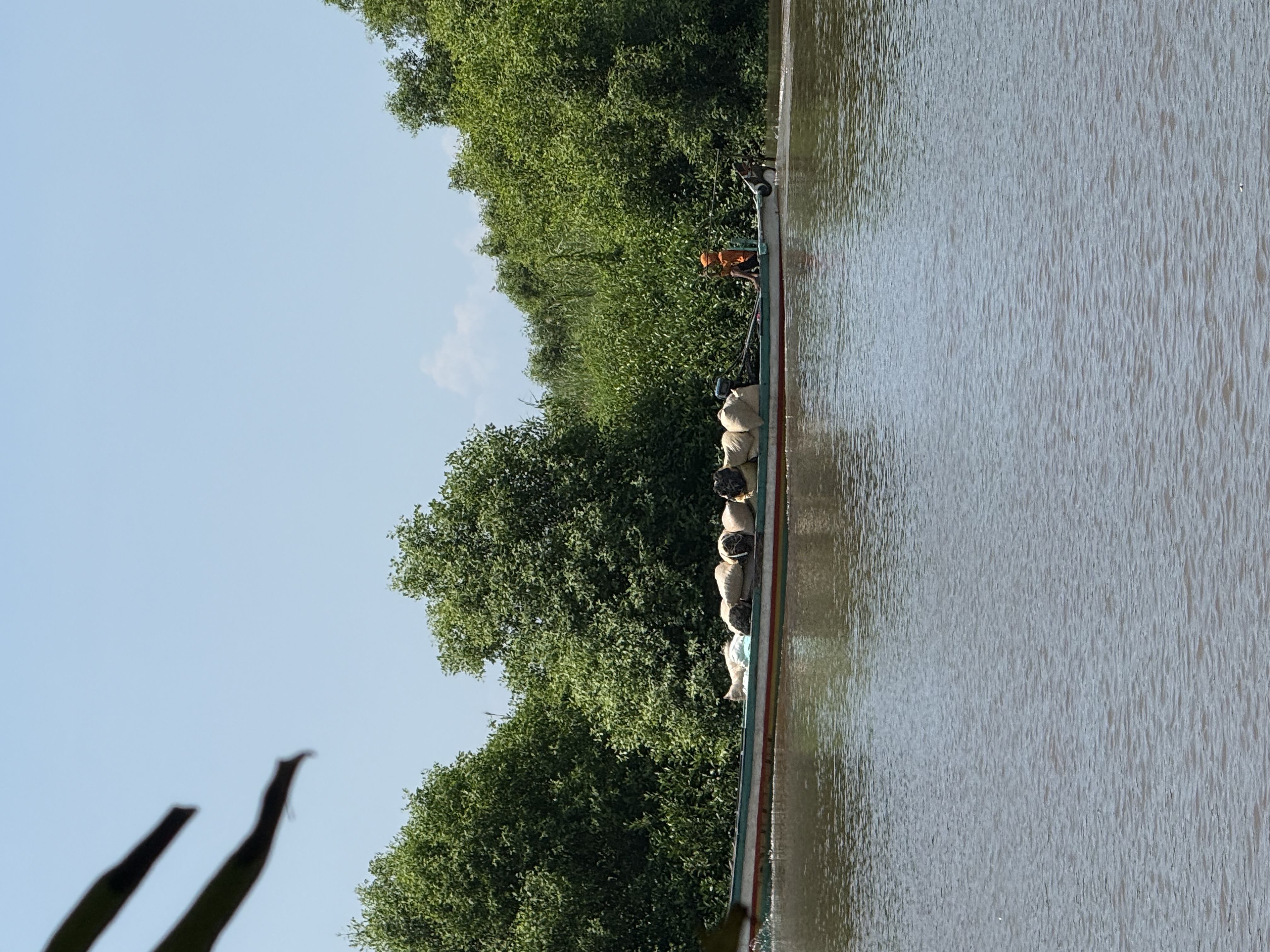
The aquaculture sector in Sidoarjo demonstrate a remarkable socio-economic resilience by strategically shift their aquaculture practice towards dynamic polyculture systems. To combat unpredictable climate changes—which cause sudden mass mortality in shrimp due to fluctuating water salinity and unstable rainfall—local farmers integrate rapid-cycling seaweed with longer-cycle species like milkfish and shrimp. Seaweed, which can be harvested every 40 to 63 days, acts as a critical financial shock absorber, providing fast and reliable cash flow. Furthermore, local farmers in areas like Jabon utilise a highly sustainable partial harvesting method using bubu naga (dragon trap) nets, which allows them to harvest longer-cycle species like milkfish and/or shrimp continuously while keeping the seaweed intact and the water flowing.
The Cooperative Success Story and Export Challenges
This resilient production model is successfully institutionalised through cooperative structures, most notably the Koperasi Rumput Laut Agar Makmur Santosa. Officially formed in February 2023 with working capital support from the Ministry of Marine Affairs and Fisheries (KKP) that began later that year, this cooperative has effectively centralised local supply chains. By navigating complex international markets, the cooperative successfully executed six independent raw seaweed exports to China by May 2024. However, exporting independently has introduced new hurdles, particularly regarding distribution logistics and establishing trust with foreign buyers, as foreign partners have begun conducting direct field interventions.
A Strategic Inflexion Point: Pioneering Zero-Waste Industrialisation
Currently, the cooperative is at a critical strategic inflexion point. Their long-term growth trajectory aims to transition away from trading in vulnerable raw materials toward high-value domestic industrialisation. They envision an acquisition and operation of their own processing factory, enabling them to locally refine seaweed into agar and carrageenan flour. If secured, the factory's construction is estimated to take six months, with an additional three months for machine installation, projecting a full return on investment within 2.5 to 3.5 years, depending on production stability. Furthermore, the cooperative also expecting to convert 55% of its otherwise discarded seaweed waste into eco-friendly bioplastics through its partnership with ULUU Australia, while WWF assists with certifications for European export.
The Financing Bottleneck and the Need for Alternative Interventions
This vision however, is bottlenecked by the lack of their access toward external financing - especially conventional financing. With little to no formalised assets held directly by the cooperative, traditional banks and institutions, operating with heightened caution in the post-COVID economy, hesitate to provide commercial loans to the relatively new entities. Institutions demand extensive operational history and require massive, fixed assets as collateral, often stipulating that the cooperative must purchase the factory assets before they can be used to secure the loan—a paradox for an organisation seeking capital. Furthermore, risk assessors scrutinise the cooperative's lack of formal factory management experience, despite the cooperative having already secured experienced operational and technical experts ready to run the facility - which will also secure employment for about 150 workers involved in the business process.
Structural and Environmental Bottlenecks
Beyond market expansion, producers face severe structural and environmental bottlenecks. Ecologically, ponds are constantly threatened by factory waste pollution and tidal floods (banjir rob) exacerbated by severe river sedimentation. While NGOs propose integrating mangroves as natural buffers to filter water, many farmers resist this, as it reduces their harvestable pond area and requires them to replant on land they previously paid to clear. Additionally, the majority of farmers operate on sedimentation lands (tanah oloran) using only tax receipts (SPPT/Petok D) rather than formalised property certificates (SHM), severely limiting their legal leverage.
Unlocking Potential Through Alternative Interventions
Unlocking this community's ultimate potential requires targeted, alternative financial interventions. To bypass strict collateral requirements, the sector urgently needs non-conventional institutional financing, venture capital, or share ownership models. Establishing a private enterprise where the cooperative holds a significant equity stake—rather than carrying the massive debt burden of a conventional loan—would align investor capital with community interests.
Injecting accessible, flexible capital would empower the cooperative to secure critical processing infrastructure, shifting the paradigm from a vulnerable raw material trade to a robust, vertically integrated, and sustainable blue economy.
These findings were found as part of the site visits and stakeholder engagement efforts supported by COAST Facility Indonesia.
